

|
여행포토
|
|
[기타지역] 대한민국 서울특별시, 종로구 북악산 한양도성, Bukaksan The Hanyangdoseong
작성자 : 한재철
작성일 : 2025-11-16
조회 : 412

.jpg)
.jpg)
.jpg)
.jpg)
.jpg)
.jpg)
.jpg)
.jpg)
.jpg)

.jpg)
.jpg)
.jpg)
.jpg)
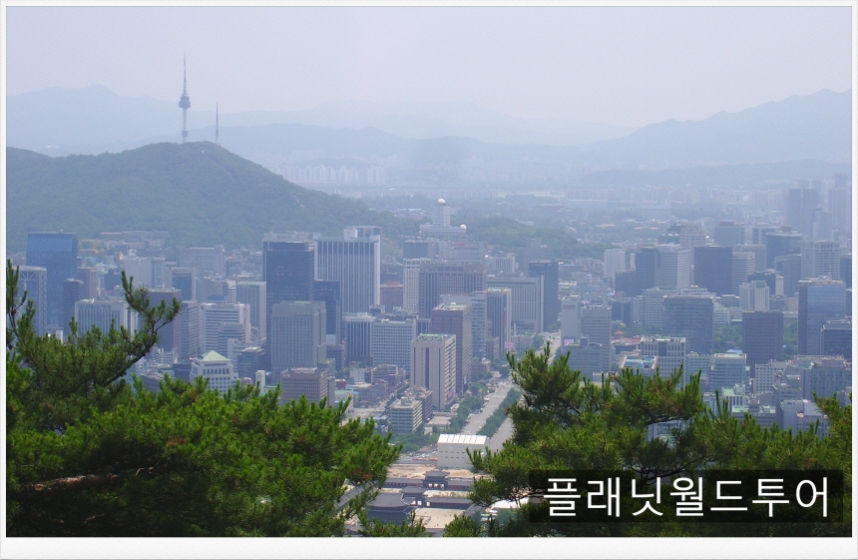
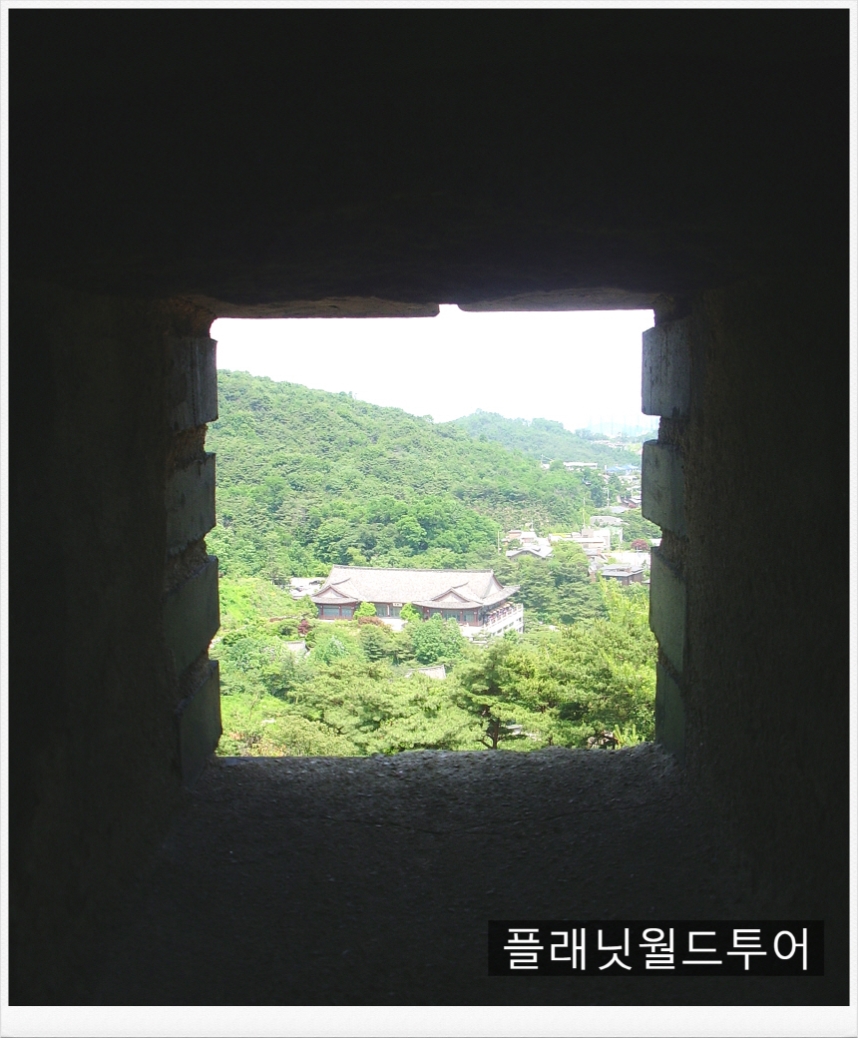
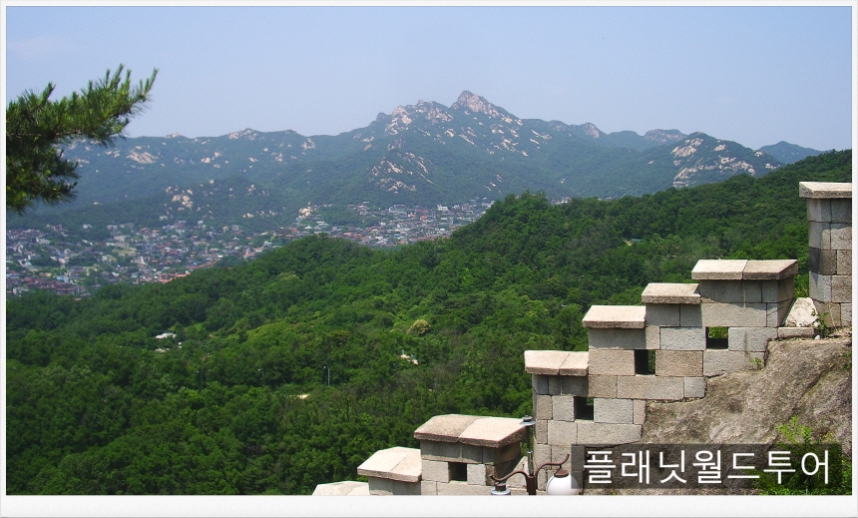
북악산(해발 342m)은 조선 개국 이후 한양의 사신산 개념에서 북쪽의 현무에 해당하고 배산임수’ 항아리형 지세의 한양을 지키는 가장 강력한 진산 역할을 담당했다. 한양도성중 가장 경사가 험하고 방어성이 뛰어난 구간으로 북악산은 본래 하얀 호랑이가 도성을 지켜준다는 백호의 전설로 백악이라 불렸다. 역사속 사건으로 1623년 인조반정 때 반정군은 창의문(자하문) 일대를 중심으로 북악산 방면에서 궁궐로 진입했다. 극심한 냉전시기 1968년 1월 21일 북한 124군 소속 무장공비 31명이 북악산 아래 위치한 청와대 습격을 목표로 북악산 일대로 침투한 ‘1·21 사태 이후 수십 년 동안 민간인 출입을 철저히 통제하다 2007년 이후 단계적으로 개방되었다.
백악 바위의 정령들이 북쪽을 감시한다는 설화가 전해지고 있으면 한양도성내에서 북악산을 바라보면 말의 머리를 닮은 ‘말바위’가 있는데 이곳에 올라 소원을 빌면 과거시험에 합격한다는 전설이 있어 조선 후기 선비들이 많이 찾았다, 북한산의 물(수청), 바람(풍청), 마음(심청) 세가지가 맑은 곳이라 삼청동이라는 마을이름도 생겨났다.
Bukaksan Mountain (elev. 342m) has served as the most powerful guardian peak of Hanyang ever since the founding of the Joseon Dynasty. In the geomantic concept of Hanyang’s Mountains Guardian, it corresponds to the Black Tortoise of the North, protecting the capital situated in a jar-shaped terrain of “mountain at the back and water at the front.” Among all sections of the Seoul City Wall, the Bukaksan segment is the steepest and most defensible. The mountain was originally called Baegak, inspired by the legend of a white tigerthat safeguarded the capital.
In 1623, during the Injo Restoration, the rebel forces entered the royal palace from the Bukaksan side, advancing mainly through the area around Changuimun (Jahamun Gate). Later, during the height of the Cold War, on January 21, 1968, thirty-one North Korean commandos from Unit 124 infiltrated the Bukaksan area in an attempt to attack the Blue House located at the foot of the mountain. Following this “January 21st Incident,” civilian access to Bukaksan was strictly restricted for several decades, and the area was only gradually reopened after 2007.
A legend tells that the spirits of the Baegak rocks watch over the northern skies. Within the city wall, when one looks toward Bukaksan, a rock shaped like a horse’s head—Malbawi—can be seen. It was believed that climbing to this rock and making a wish would ensure success in the state examinations, attracting many scholars during the late Joseon period. The name of the nearby village Samcheong-dongalso arises from the idea that this area is blessed with “three kinds of purity”—pure water, pure wind, and a pure heart—flowing from the slopes of Bukaksan.
백악 바위의 정령들이 북쪽을 감시한다는 설화가 전해지고 있으면 한양도성내에서 북악산을 바라보면 말의 머리를 닮은 ‘말바위’가 있는데 이곳에 올라 소원을 빌면 과거시험에 합격한다는 전설이 있어 조선 후기 선비들이 많이 찾았다, 북한산의 물(수청), 바람(풍청), 마음(심청) 세가지가 맑은 곳이라 삼청동이라는 마을이름도 생겨났다.
Bukaksan Mountain (elev. 342m) has served as the most powerful guardian peak of Hanyang ever since the founding of the Joseon Dynasty. In the geomantic concept of Hanyang’s Mountains Guardian, it corresponds to the Black Tortoise of the North, protecting the capital situated in a jar-shaped terrain of “mountain at the back and water at the front.” Among all sections of the Seoul City Wall, the Bukaksan segment is the steepest and most defensible. The mountain was originally called Baegak, inspired by the legend of a white tigerthat safeguarded the capital.
In 1623, during the Injo Restoration, the rebel forces entered the royal palace from the Bukaksan side, advancing mainly through the area around Changuimun (Jahamun Gate). Later, during the height of the Cold War, on January 21, 1968, thirty-one North Korean commandos from Unit 124 infiltrated the Bukaksan area in an attempt to attack the Blue House located at the foot of the mountain. Following this “January 21st Incident,” civilian access to Bukaksan was strictly restricted for several decades, and the area was only gradually reopened after 2007.
A legend tells that the spirits of the Baegak rocks watch over the northern skies. Within the city wall, when one looks toward Bukaksan, a rock shaped like a horse’s head—Malbawi—can be seen. It was believed that climbing to this rock and making a wish would ensure success in the state examinations, attracting many scholars during the late Joseon period. The name of the nearby village Samcheong-dongalso arises from the idea that this area is blessed with “three kinds of purity”—pure water, pure wind, and a pure heart—flowing from the slopes of Bukaksan.
|