

|
여행포토
|
|
[기타지역] 대한민국 서울특별시, 종로구 칠궁 Chilgung
작성자 : 한재철
작성일 : 2025-11-18
조회 : 395

.jpg)
.jpg)
.jpg)
.jpg)
.jpg)
.jpg)
.jpg)
.jpg)
.jpg)
.jpg)

.jpg)
.jpg)
.jpg)
.jpg)
.jpg)
.jpg)
.jpg)
.jpg)
.jpg)
.jpg)
.jpg)
.jpg)
.jpg)
.jpg)
.jpg)
.jpg)
.jpg)
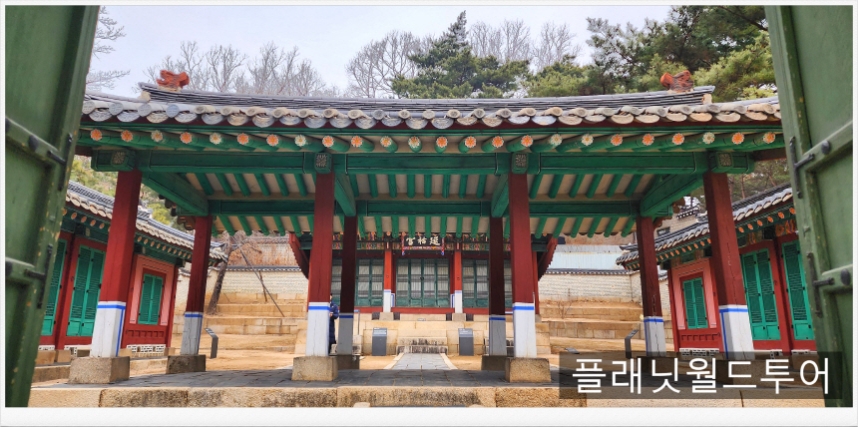
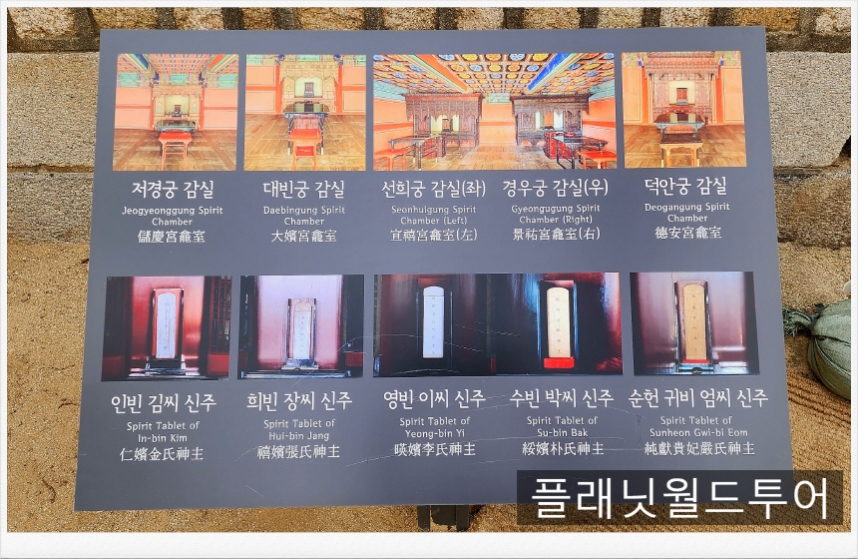
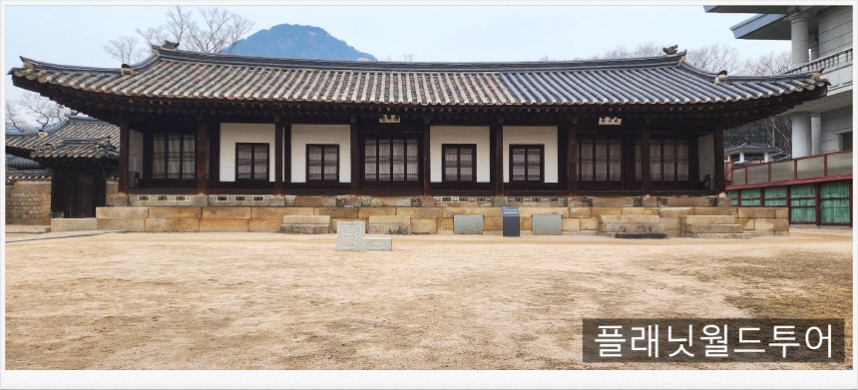
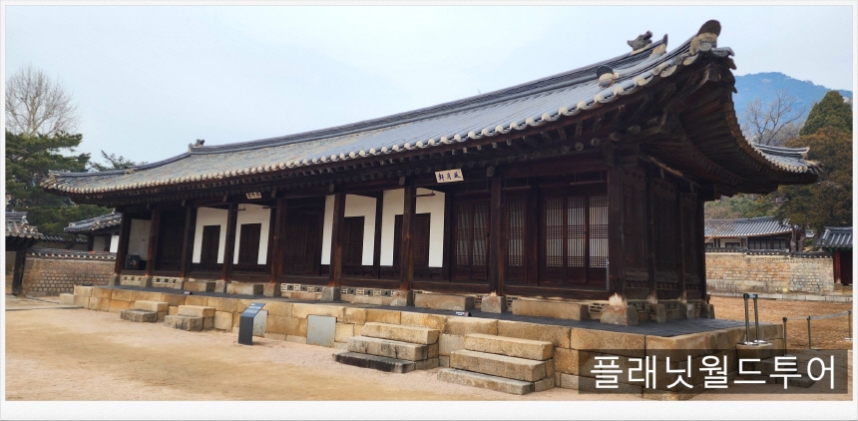
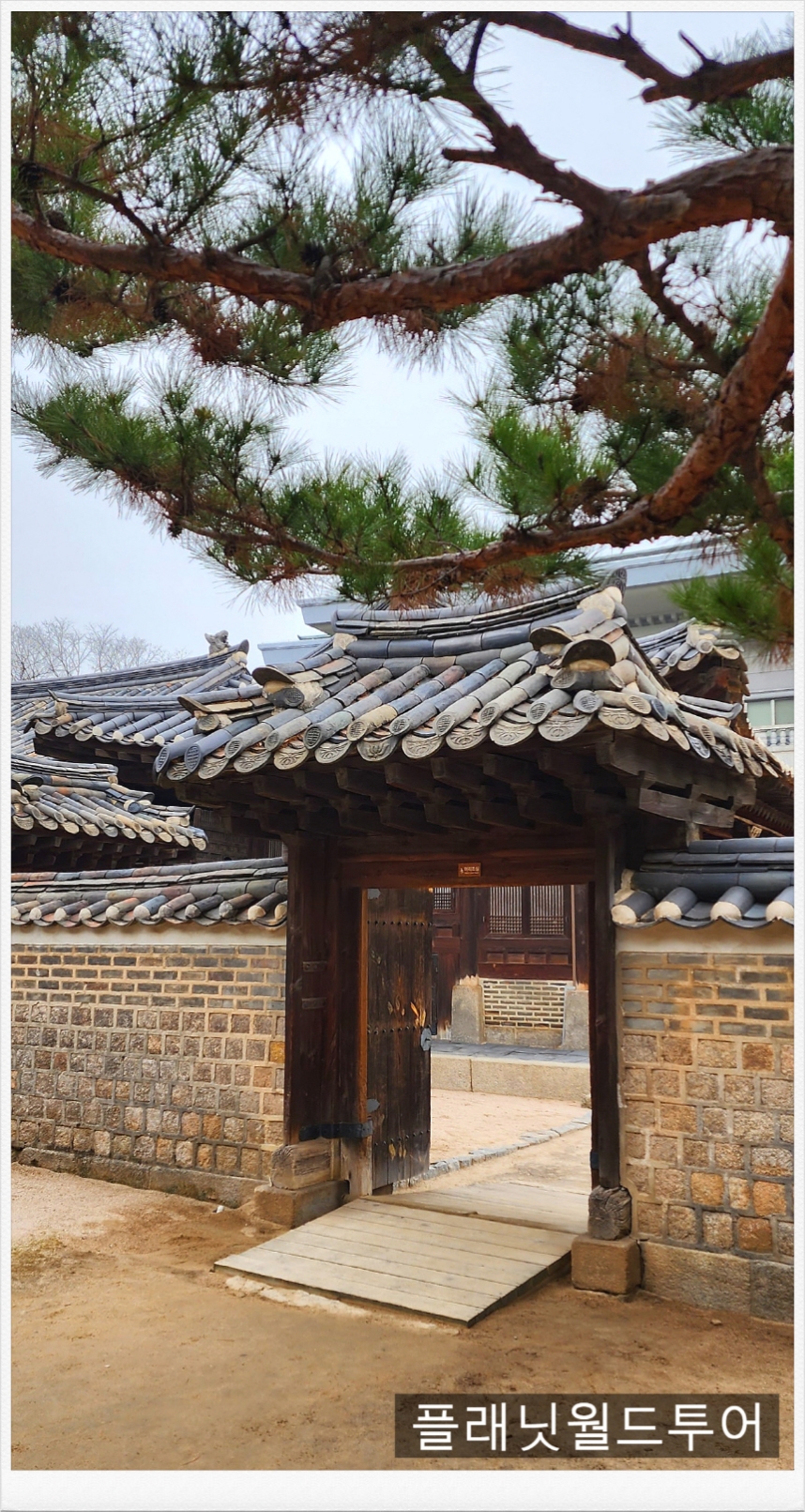
조선 사회에서는 왕을 낳은 어머니라도 왕비가 아니면 종묘에 모실 수 없었기 때문에, 별도의 사당이 필요했고, 그 결과로 칠궁(七宮)이 형성되었습니다. 왕의 생모- 국모(國母)중 왕후로 책봉되지 못한 인물들의 신주(神主)를 모신 사당이다. 영조(재위 1724∼1776)를 낳은 숙빈 최씨(1670~1718)의 사당인 육상궁이 먼저 들어선 뒤 1908년 순종시기 부터 전국 각지에 흩어저있던 사당을 경복궁 서쪽 자리로 옮겨 통합해 조성 칠궁이 되었다. 현재 청와대 바로 옆에 위치해 있다. 칠궁은 조선시대 사당의 건축모습과 정치구조속 왕실 여성들이 처한 정치적·신분적 한계를 보여주는 동시에 제래문화를 이해 하기위해 방문하면 좋은 곳이다.
In the Joseon Dynasty, even the mother of a king could not be enshrined in the royal ancestral shrine, Jongmyo, unless she had held the official title of queen. Because of this rule, separate ancestral shrines were required, and as a result, the complex known as Chilgung—“the Seven Palaces”—was formed. Chilgung enshrines the spirit tablets of royal birth mothers who were honored as Gukmo (Mothers of the Nation) but were never elevated to the rank of queen.
The first of these shrines was Yuksanggung, dedicated to Royal Consort Sukbin Choe (1670–1718), the mother of King Yeongjo (r. 1724–1776). Later, during the reign of Emperor Sunjong in 1908, several ancestral shrines that had been scattered across the country were relocated and consolidated on the western side of Gyeongbokgung Palace, creating the Chilgung complex as it stands today. It is now located right next to the Cheong Wa Dae.
Chilgung is an excellent place to visit for those wishing to understand the architectural style of ancestral shrines from the Joseon period, as well as the political and social constraints faced by women of the royal court. It also offers valuable insight into Korea’s traditional ritual culture.
In the Joseon Dynasty, even the mother of a king could not be enshrined in the royal ancestral shrine, Jongmyo, unless she had held the official title of queen. Because of this rule, separate ancestral shrines were required, and as a result, the complex known as Chilgung—“the Seven Palaces”—was formed. Chilgung enshrines the spirit tablets of royal birth mothers who were honored as Gukmo (Mothers of the Nation) but were never elevated to the rank of queen.
The first of these shrines was Yuksanggung, dedicated to Royal Consort Sukbin Choe (1670–1718), the mother of King Yeongjo (r. 1724–1776). Later, during the reign of Emperor Sunjong in 1908, several ancestral shrines that had been scattered across the country were relocated and consolidated on the western side of Gyeongbokgung Palace, creating the Chilgung complex as it stands today. It is now located right next to the Cheong Wa Dae.
Chilgung is an excellent place to visit for those wishing to understand the architectural style of ancestral shrines from the Joseon period, as well as the political and social constraints faced by women of the royal court. It also offers valuable insight into Korea’s traditional ritual culture.
|